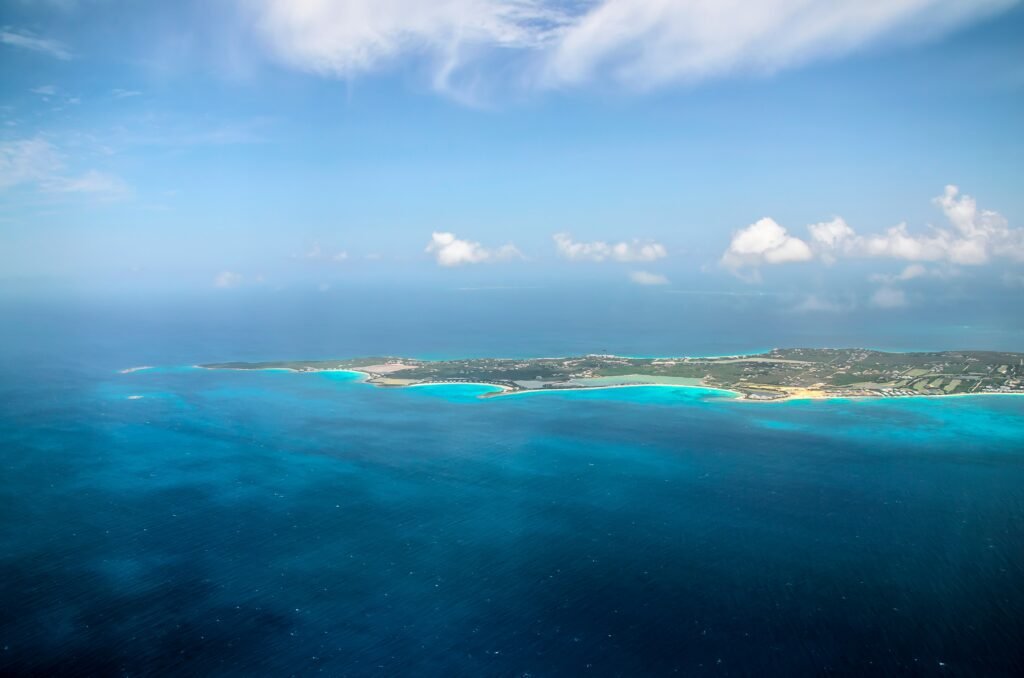
There is a distinct, magical moment when you stand on the shores of St. Martin, look across the bright turquoise horizon, and realize you can physically see other islands calling your name. Because they are so geographically close, the temptation to jump on a boat and check three distinct territories off your bucket list in a single vacation is almost impossible to resist.
But here is the reality check most automated travel guides completely leave out: while these stunning islands are just a short ferry ride apart, they are entirely separate nations. Moving between them means crossing international borders, switching currencies, and, believe it or not, completely flipping the side of the road you drive on.
If you are planning the ultimate Northeast Caribbean island-hopping day trip, these are the 5 non-negotiable logistical rules you need to know before you show up at the dock.
Your Passport is Your Entry Ticket (No Exceptions)
It is easy to get lulled into a relaxed island time mindset, but the second you board a vessel to Anguilla or St. Barts, you are exiting one country and entering another.
Even if you are only planning a three-hour beach lunch, you must carry your physical passport. A driver’s license or a photocopy will leave you stranded at the terminal.
The Insider Cash Rule: Always keep crisp USD or Euro cash on hand specifically for port taxes and departure fees, which range from $5 to $28+ per person depending on your route and destination. Port card readers are notoriously temperamental, and nothing ruins a morning faster than losing your boarding slot because the Wi-Fi dropped and the terminal can’t process your Visa.
The Great Driving Flip: Right Side vs. Left Side
If you are planning to rent cars to truly explore beyond the cruise ports, this is the quirk that catches 90% of tourists off guard.
St. Martin and St. Barts: You will drive on the right side of the road, following standard French and Dutch traffic laws. Navigating the roundabouts here is a breeze once you get the rhythm.
Anguilla: The moment you step onto the dock at Blowing Point, everything changes. Because Anguilla is a British Overseas Territory, traffic moves on the left-hand side of the road.
Don’t let it terrify you. The speed limits on Anguilla are incredibly low, and local drivers are very accustomed to tourists taking it slow. Just remember to give yourself a conscious vibe check every single time you turn through a junction or enter a roundabout!
The St. Barts Ferry: Schedule vs. Reality
The water crossing between the islands is a major logistical variable.
The public ferry from Marigot on the French side of St. Martin over to Anguilla is a smooth and relatively quick journey. It runs frequently throughout the day and takes approximately 20 to 30 minutes.
However, the crossing to St. Barts is a different story. While most published ferry schedules and generic guides list the trip as 45 to 60 minutes, the boots-on-the-ground reality is that it consistently takes closer to 60 to 70 minutes, or over an hour and ten minutes each way. The channel is open, and both wind and swells affect the speed and comfort of the ride. Plan your day accordingly and build that crucial buffer time into your arrival and return strategy.
Juggling Currencies: Euros, Dollars, and Plastic
Knowing what money to pull out of the ATM before you leave your home base will save you major conversion headaches.
| Island | Official Currency | What is Actually Accepted |
|---|---|---|
| St. Martin / Sint Maarten | Euro (French) / Guilder (Dutch) | USD and Euros accepted universally |
| Anguilla | Eastern Caribbean Dollar (XCD) | USD widely accepted alongside XCD |
| St. Barts | Euro (EUR) | Euros preferred; luxury venues accept major cards |
If you are heading into the ultra-chic streets of Gustavia in St. Barts, carrying a pocket full of Euros for small bakeries, local spirits like authentic rhum agricole at boutique spots, and taxi drivers will make your life significantly smoother.
Don’t Get Caught in the “Last Boat” Phenomenon
Island-hopping is incredibly rewarding, but it requires keeping a strict eye on the clock. The public ferries are punctual, and missing a boat or finding yourself locked out of a full departure can derail your entire evening.
On a recent trip, I experienced this firsthand at the terminal waiting for the ferry from Anguilla back to St. Martin. Because we didn’t budget enough cushion time, we arrived to find the last scheduled boat completely full, and the next secondary boat was packed to capacity too. We ended up stranded at the terminal waiting for over two hours just to get back across the channel. Nobody wants to spend their hard-earned vacation time sitting on a terminal bench.
To protect your itinerary, remember two rules:
- Give yourself way more buffer time. Do not just show up 45 minutes before. Aim to be back at the terminal an hour to an hour and a half early, especially for afternoon return legs.
- Don’t target the final shuttle. There are multiple ferries running throughout the day. Aim for an earlier option so that if something goes sideways or a boat fills up, you still have a backup option to get back to your home base.
Want the Magic Without the Math?
The reward of seeing three distinct world-class cultures in one spectacular vacation is entirely worth it, but managing international border checkpoints, ferry booking windows, cash port levies, and left-side driving roundabouts can easily turn a relaxing getaway into a logistical jigsaw puzzle.
If you want to experience the absolute best of St. Martin, Anguilla, and St. Barts without spending your vacation staring at ferry timetables and customs forms, let’s talk. As a premium travel concierge, Caribbean Island Festivals designs seamless, island-hopping itineraries where the only thing you have to focus on is which beach to sink your toes into next.